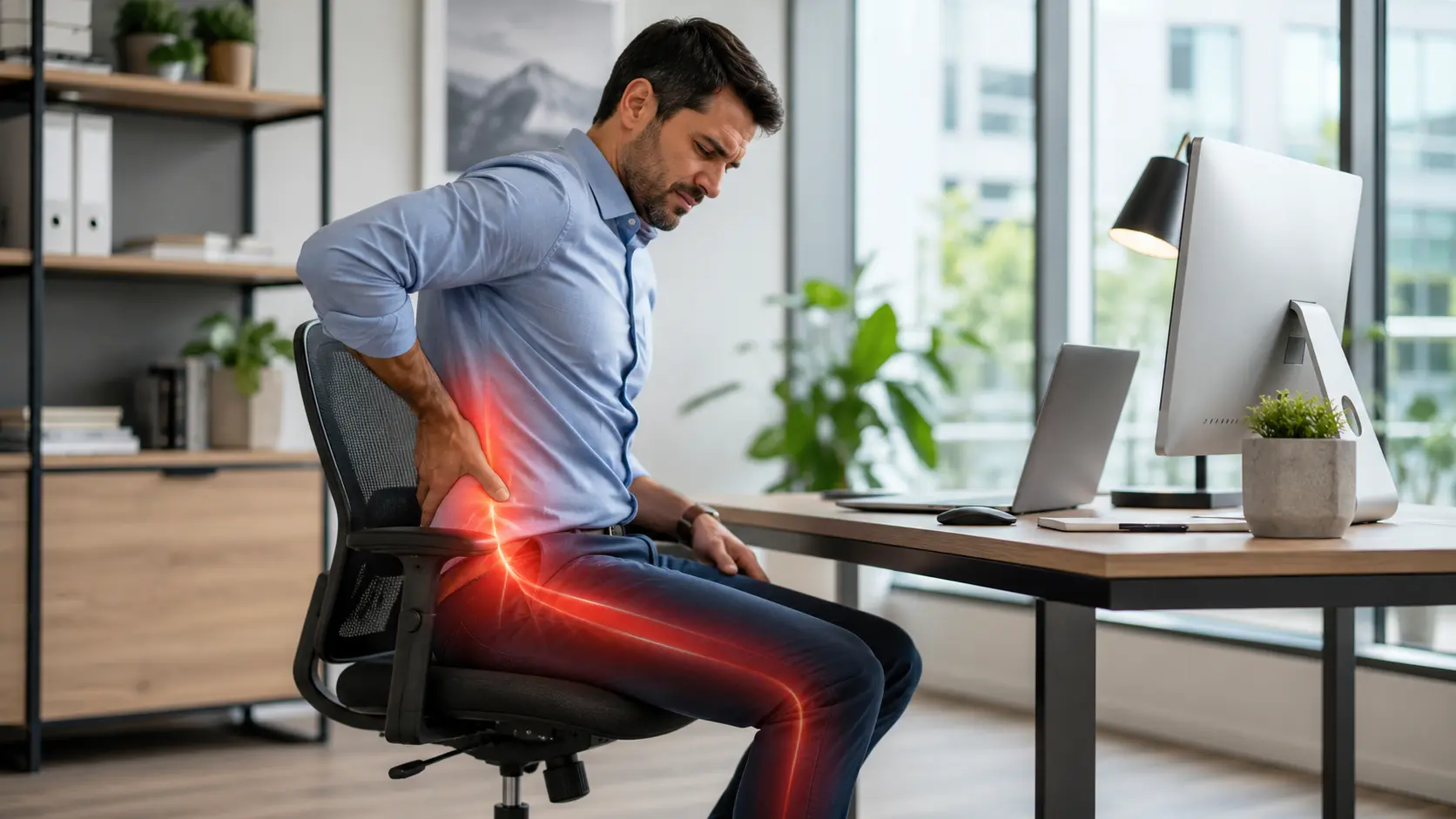
Sciatica pain can feel like that one guest who shows up uninvited and refuses to leave. It starts as a mild discomfort and can quickly escalate into a sharp, shooting pain that disrupts your daily life. For many, it’s not just the pain but the frustration of not knowing how to find effective sciatica pain relief. Sciatica impacts mobility, productivity, and overall quality of life. Fortunately, natural, non-invasive solutions like chiropractic care offer a path to relief by addressing the root causes of the pain. This article explores how chiropractic care can help alleviate sciatica nerve pain and improve long-term well-being.
What Is Sciatica and Why Does It Hurt So Much?
Sciatica refers to pain that radiates along the path of the sciatic nerve, which is the largest nerve in the body. This nerve starts in the lower back, runs through the hips and buttocks, and extends down each leg. When the sciatic nerve becomes irritated or compressed, it can cause a range of symptoms that vary in intensity.
- The sciatic nerve: This nerve controls sensation and muscle function in the lower body, making it essential for mobility.
- Common causes: Herniated discs, spinal stenosis (narrowing of the spinal canal), or muscle inflammation can compress or irritate the nerve leading to lower back pain and sciatica..
- Symptoms: These include sharp pain, tingling, numbness, or weakness in the lower back, buttocks, and legs. For some, the pain is mild, while for others, it can be debilitating.
Understanding the underlying cause of sciatica is crucial for effective treatment, as the symptoms are often just the tip of the iceberg.
What Are the Common Triggers for Sciatica?
Sciatica doesn’t just happen out of nowhere. Certain lifestyle and physical factors can increase the likelihood of developing chronic sciatica pain. Recognizing these triggers can help prevent future episodes.
- Sedentary lifestyles: Sitting for long periods, especially with poor posture, places significant strain on the lower back and sciatic nerve increasing the risk of sciatica pain flare-ups.
- Heavy lifting or improper movement: Physical strain, such as lifting heavy objects without proper technique, can lead to nerve compression or spinal misalignment.
- Underlying conditions: Obesity, diabetes, or age-related changes in the spine can exacerbate the risk of sciatica.
By addressing these triggers, individuals can reduce the frequency and severity of sciatica flare-ups.
How Can Chiropractic Care Help Relieve Sciatica Pain?

Chiropractic care focuses on addressing the root causes of sciatica rather than just masking the symptoms. Chiropractic care for sciatica uses a range of non-invasive techniques to reduce pain, improve mobility, and promote long-term healing.
- Spinal adjustments: Chiropractors realign the spine to relieve pressure on the sciatic nerve, reducing pain and inflammation.
- Targeted therapies: Techniques such as soft tissue therapy, stretching, and strengthening exercises help improve flexibility and support recovery.
- Improved posture and ergonomics: Chiropractors provide guidance on maintaining proper posture and setting up ergonomic workspaces to prevent future issues.
These techniques not only alleviate pain but also empower patients to take control of their recovery.
Is Chiropractic Care Safe for Sciatica?
One of the most common concerns is whether chiropractic treatment for sciatica is safe.. For most people, chiropractic care is a safe and effective treatment option for sciatica. However, it’s essential to undergo a professional evaluation to determine the best course of action.
- Non-invasive and drug-free approach: Chiropractic care avoids the risks associated with surgery or long-term medication use.
- Personalized treatment plans: Chiropractors tailor their approach to each patient’s unique needs and condition.
- Collaboration with other healthcare providers: In cases where additional medical intervention is needed, chiropractors often work alongside other professionals to ensure comprehensive care.
Patients can feel confident knowing that their treatment plan is designed with their safety and well-being in mind.
What Should You Expect During Your First Chiropractic Visit?
For those new to chiropractic care, the first visit can feel a bit daunting. However, understanding what to expect can ease any apprehension.
- Initial assessment: The chiropractor will review your medical history, conduct a physical exam, and may recommend imaging tests to pinpoint the cause of your sciatica.
- Diagnosis: Based on the assessment, the chiropractor will identify the root cause of your pain and explain it in clear, understandable terms.
- Treatment plan: You’ll receive a personalized plan that outlines the recommended treatments, expected outcomes, and timeline for recovery.
This thorough approach ensures that patients feel informed and confident in their care.
Can Lifestyle Changes Help Manage Sciatica?
While chiropractic care is highly effective, certain lifestyle changes can complement treatment and help manage or prevent sciatica. These adjustments empower patients to take an active role in their recovery.
- Stretching and exercise: Incorporate simple routines to strengthen the lower back and improve flexibility. Yoga and Pilates are excellent options.
- Ergonomic improvements: Set up a workspace that supports good posture, including an adjustable chair and a desk at the proper height.
- Weight management: Maintaining a healthy weight reduces strain on the spine and lowers the risk of nerve compression.
Small, consistent changes can make a significant difference in managing sciatica over the long term.
Conclusion
Sciatica can be a disruptive and painful condition, but it doesn’t have to control your life. Chiropractic care offers a natural, non-invasive solution that addresses the root cause of the pain while promoting long-term healing. By combining chiropractic treatments with proactive lifestyle changes, individuals can find relief and prevent future flare-ups.
- Chiropractic care reduces pain, improves mobility, and empowers patients to take control of their recovery.
- If you’re experiencing sciatica symptoms, consult a qualified chiropractor to explore your options for relief.
- While CRES Technology specializes in IT solutions, our expertise in workflow automation and healthcare technology can help streamline operations for clinics offering chiropractic care, ensuring they can focus on what matters most: patient outcomes.
Take the first step toward relief today by seeking professional care and making small changes that support your health and well-being.