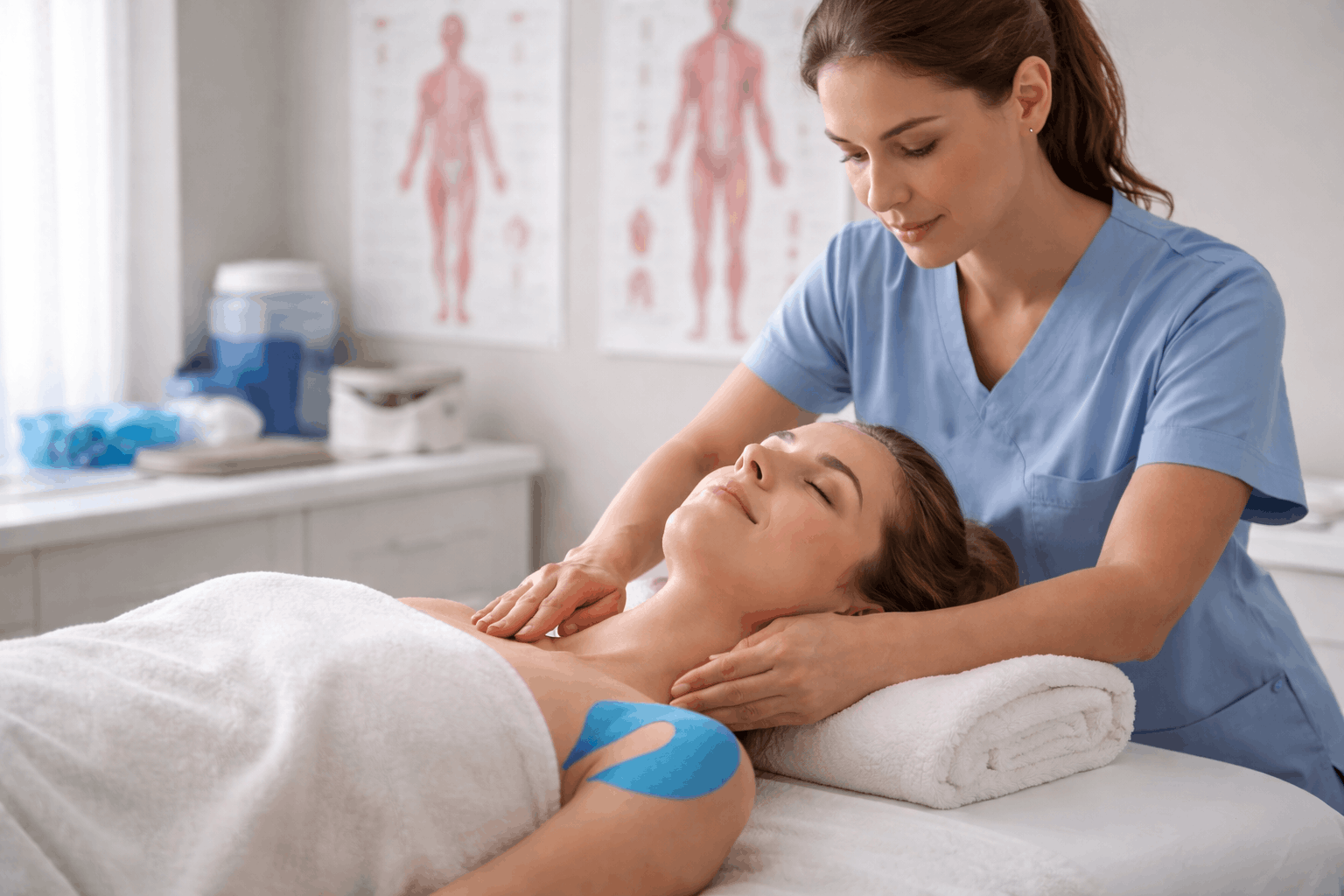
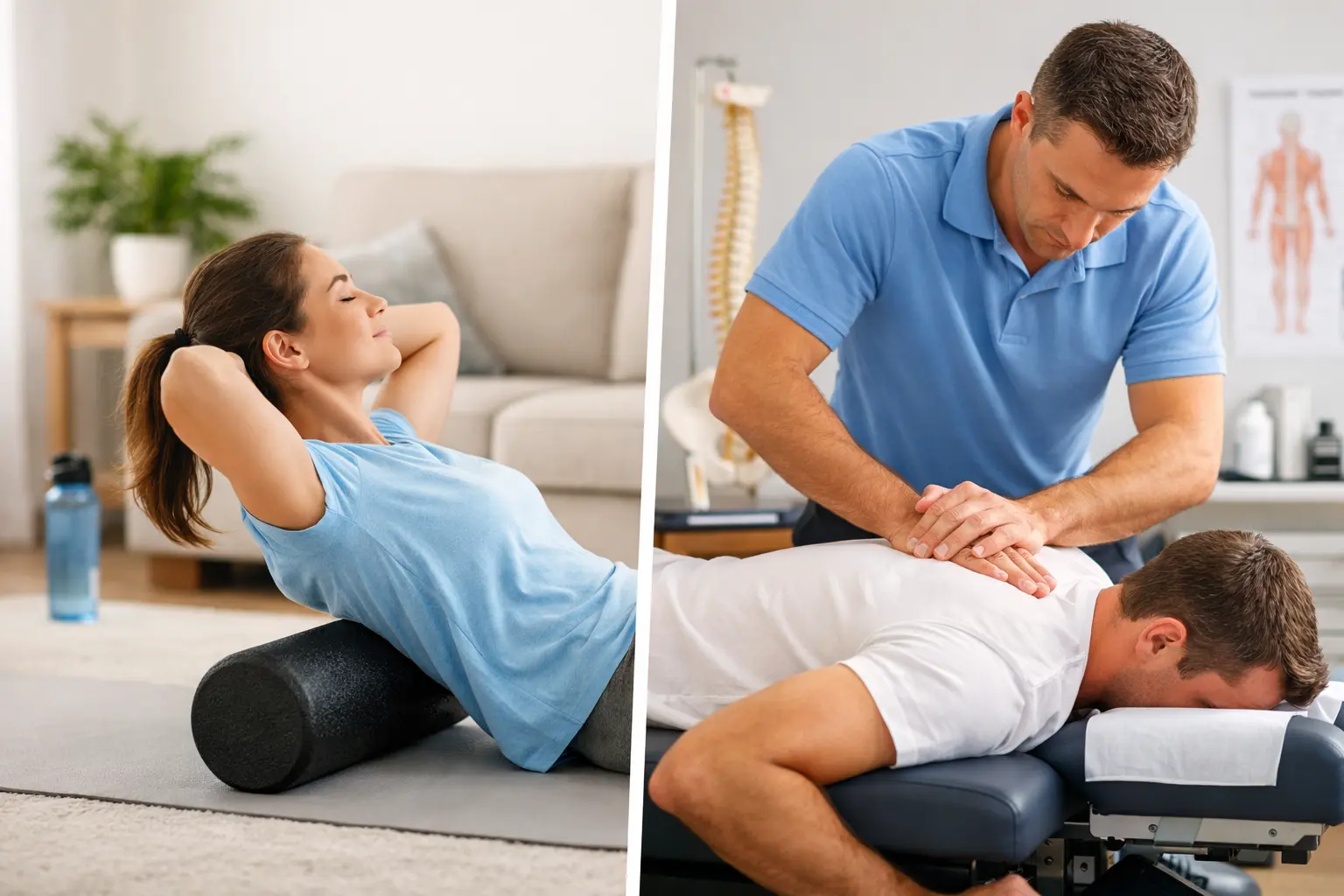
Recovering from a car accident can be a challenging journey, both physically and emotionally. The aftermath often brings pain, stiffness, and stress, leaving individuals searching for effective ways to heal. For many, the road to recovery involves more than just medical treatments, it requires addressing the body’s deeper needs for relaxation and repair. Massage therapy has emerged as a practical and effective tool for post-accident recovery, offering relief from common issues like muscle tension, chronic pain, and emotional stress.
In this article, we’ll explore the physical challenges that often follow a car accident, how massage therapy aids in recovery, what to expect during a session, and when it’s the right time to consider this therapeutic option.
What Are the Common Physical Challenges After a Car Accident?
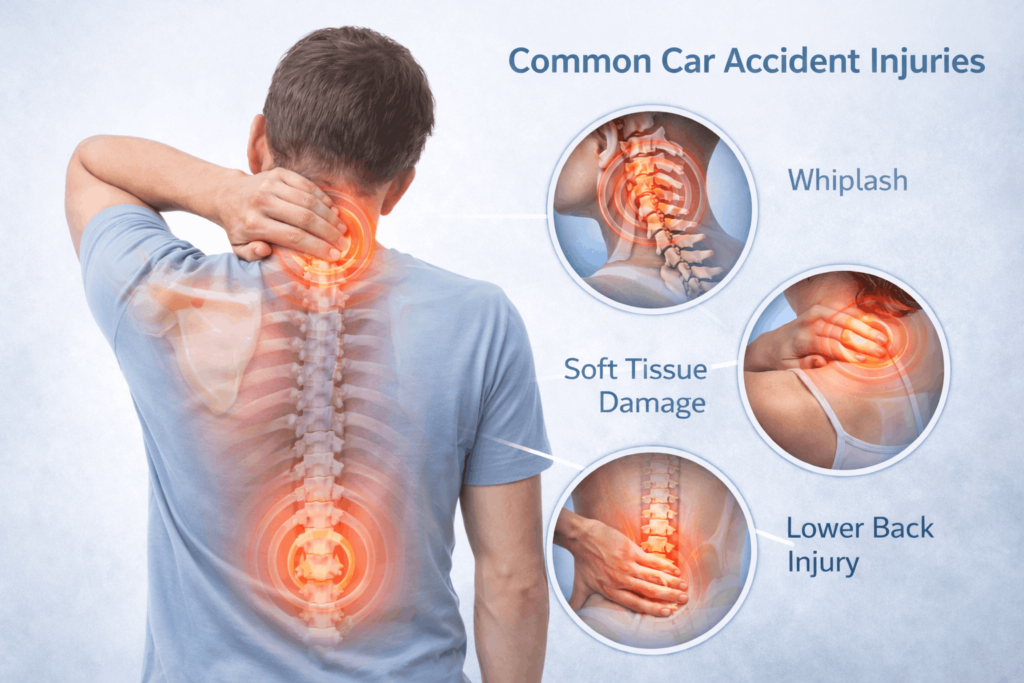
Car accidents, even minor ones, can leave lasting effects on the body. The sudden impact often leads to injuries that may not be immediately apparent but can cause significant discomfort over time. Here are some of the most common physical challenges individuals face after an accident:
- Whiplash: The rapid back-and-forth motion of the neck during a collision can strain the muscles and ligaments, leading to stiffness, pain, and reduced range of motion. Whiplash is one of the most frequently reported injuries after car accidents.
- Soft tissue injuries: Muscle strains, sprains, and other soft tissue injuries are common due to the force of impact. These injuries can result in swelling, bruising, and tenderness, making everyday movements difficult.
- Chronic pain: When injuries are left untreated or improperly managed, they can develop into chronic pain conditions. For example, untreated whiplash or muscle injuries may lead to long-term discomfort and reduced quality of life.
Addressing these challenges early is crucial. Delayed treatment can exacerbate injuries, prolong recovery, and increase the risk of chronic pain. Seeking appropriate care, including massage therapy, can help mitigate these risks and promote healing.
How Does Massage Therapy Aid in Recovery?
Massage therapy is more than just a luxury, it’s a scientifically backed method for promoting physical and emotional healing. Here’s how it can support recovery after a car accident:
- Improved circulation: Massage stimulates blood flow, which delivers oxygen and nutrients to injured tissues. This enhanced circulation accelerates the healing process and reduces inflammation.
- Pain relief: Techniques like deep tissue massage target muscle tension and knots, alleviating pain and improving mobility. By addressing the root causes of discomfort, massage provides lasting relief.
- Stress reduction: The emotional toll of a car accident can be significant, leading to anxiety and tension. Massage therapy promotes relaxation by reducing cortisol levels and encouraging the release of endorphins, the body’s natural “feel-good” chemicals.
For example, consider someone recovering from whiplash. Regular massage sessions can help reduce neck stiffness, improve range of motion, and alleviate the stress associated with the injury. Many individuals report feeling more relaxed and mobile after incorporating massage therapy into their recovery plan.
What to Expect During a Massage Therapy Session
If you’re new to massage therapy, it’s natural to have questions about what happens during a session. Here’s a step-by-step overview to help you feel prepared:
- Initial consultation: Your first session will typically begin with a consultation. The therapist will assess your injuries, discuss your symptoms, and identify your treatment goals. This step ensures that the therapy is tailored to your specific needs.
- Customized treatment plan: Based on the consultation, the therapist will create a personalized plan. For example, if you’re dealing with lower back pain, the focus might be on techniques that target that area.
- Techniques used: Therapists may use a combination of methods, such as Swedish massage for relaxation, deep tissue massage for tension relief, or trigger point therapy to address specific pain points. Each technique is designed to promote healing and comfort.
It’s important to communicate openly with your therapist during the session. Let them know if you feel any discomfort or if there are areas you’d like them to focus on. Remember, the goal is to create a safe and effective healing environment.
When Should You Consider Massage Therapy After an Accident?
Timing is key when it comes to incorporating massage therapy into your recovery plan. Here are some scenarios where massage therapy can be particularly beneficial:
- Early intervention: Starting massage therapy soon after an accident can help prevent injuries from worsening. For example, addressing muscle tension early can reduce the risk of developing chronic pain.
- Chronic pain management: If you’re dealing with lingering pain from an older accident, massage therapy can still be effective. Regular sessions can help manage chronic conditions and improve your overall quality of life.
- Complementary care: Massage therapy works well alongside other treatments, such as physical therapy or chiropractic care. It can enhance the effectiveness of these treatments by improving flexibility, reducing pain, and promoting relaxation.
Consulting with a healthcare professional can help you determine the best time to start massage therapy and how it fits into your overall recovery plan.
Conclusion
Recovering from a car accident is a journey that requires care, patience, and the right resources. Massage therapy offers a holistic approach to healing, addressing both the physical and emotional challenges that often follow an accident. By improving circulation, relieving pain, and reducing stress, it plays a vital role in promoting recovery and preventing long-term complications.
If you’re considering massage therapy, consult with your healthcare provider to determine if it’s the right option for you. Taking proactive steps toward recovery can make all the difference in regaining your health and well-being. At Town and Country Chiropractic, we understand the importance of streamlined healthcare workflows and are here to support organizations in delivering efficient, patient-centered care. Prioritize your recovery and explore all available options to heal and thrive.