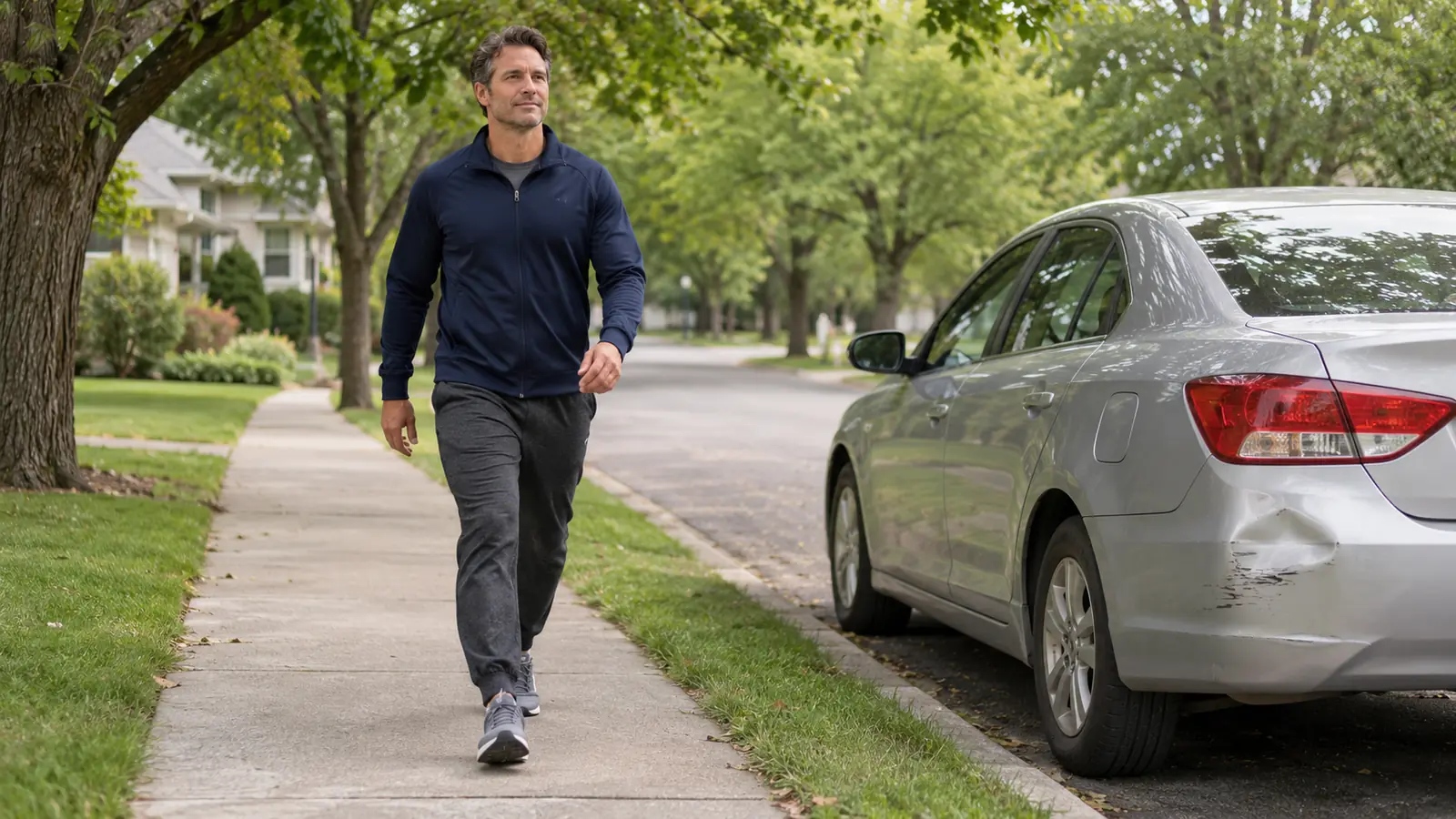
A few days after a car accident, you may feel ready to get out of the house but unsure about getting back to the gym. A short walk feels fine. Turning your head to check traffic still feels stiff. Would a jog or your usual lifting session be too much?
If you have mild soreness that’s improving and can move comfortably through everyday activities, a short, easy walk may be a reasonable first step. Get checked before working out if you have significant pain, trouble moving normally, or symptoms that could be a concussion. The timing for harder exercise depends on what was injured, what restrictions you were given, and how you feel during and after lighter activity.
When to get checked before exercising
Pain and stiffness from whiplash can take several hours to appear. The neck and shoulders may feel more uncomfortable later that day, particularly when you turn your head or try to get dressed. If pain is increasing or ordinary movements are difficult, get medical advice before testing the injury with exercise. Follow any instructions you received for a fracture, joint injury, or other diagnosed condition.
Get emergency care right away for severe neck pain after a crash or back pain after a serious collision. Call 911 or go to the emergency department if you develop a worsening headache that won’t let up, repeated vomiting, confusion, a seizure, new weakness or numbness, or trouble staying awake.
Returning to activity after a concussion
A collision can jolt your head and brain even if your head never strikes anything. If you develop a headache, dizziness, nausea, sensitivity to light, or trouble concentrating after the crash, get evaluated for a possible concussion before resuming a workout. Some symptoms appear hours or days later.
After a diagnosed concussion, follow your healthcare provider’s return plan. The CDC generally advises a short period of rest, followed by easing into regular activities after one or two days. A brief walk may be an early step. If activity makes symptoms worse, cut back. Protect yourself from another head injury while you recover, including by pausing activities that could lead to a fall or collision.
Return to sports with your provider’s approval and work through the stages they recommend. For athletes, the CDC’s return-to-play plan typically allows at least 24 hours for each stage, with a pause if symptoms return.
Getting moving after whiplash or a mild strain
With uncomplicated whiplash or a mild strain, gentle movement and ordinary activities as tolerated can help you get moving again. That might mean a short walk, light chores, or a few comfortable neck movements your clinician has shown you. Start with the activities you can manage and work within any lifting or movement restrictions you were given.
Everyday tasks give you a starting point. If walking around the block or reaching into a cabinet noticeably increases the pain, keep the activity easier for now. If those tasks are getting more comfortable, you can use that improvement to guide what you try next.
How to build back to your usual workout
These steps are examples for a mild muscle or joint injury. Your clinician may give you a different progression based on your injury and the activity you want to resume.
Start with a short, easy walk. Choose a level route and a pace that feels comfortable. Pay attention to whether you can walk normally and whether the soreness changes while you move.
Increase time before effort. If the walk goes well and you feel about the same later and the next morning, try going a little longer on another day. Make one change at a time, such as adding minutes before you add hills or a faster pace.
Practice an easier version of the activity. If you want to lift again, try the movement with little or no weight before increasing resistance. If your goal is running, build up to a brisk walk first. When you’re ready and any restrictions allow, you might try short walk-and-jog intervals before a continuous run.
Work back to the demands of your sport or workout. Heavy lifting, sprinting, and contact sports place different demands on the body. Ask your clinician what movement and strength milestones make sense before you return to activities that strain the injured area.
For example, if turning your head is still uncomfortable after a rear-end collision, a walk may be manageable before a workout that involves repeated overhead lifts. Try a lighter version of the workout when normal reaching and turning are easier, and watch how your neck feels afterward.
How to tell if you did too much
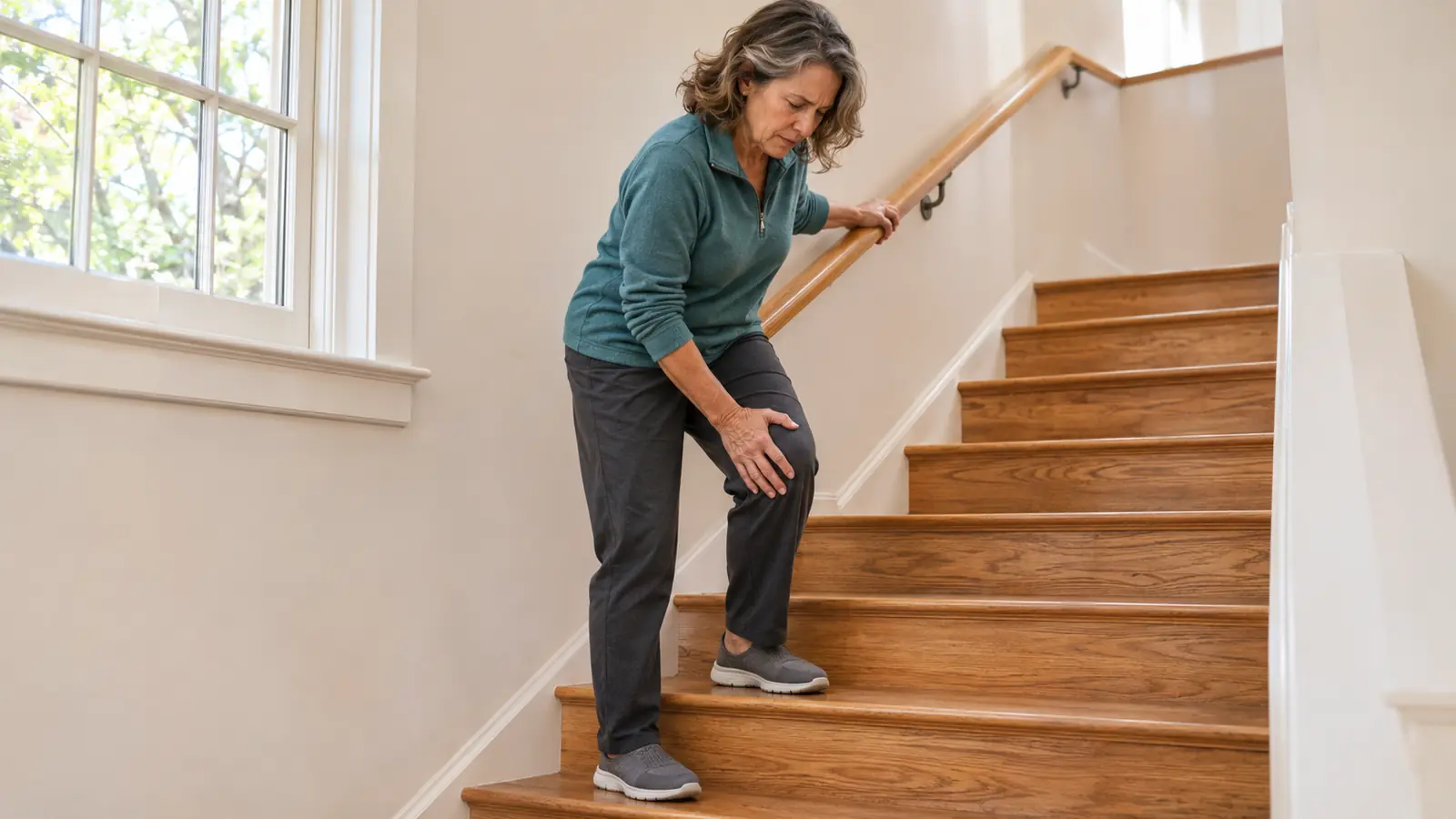
Think about how you feel during the session, later in the day, and when you get up the next morning. If a workout leaves you noticeably more sore or stiff the next day, return to the last level you handled comfortably. If the pain becomes sharp, you start limping or changing how you move to protect the sore area, or swelling increases, stop and get advice before trying the same activity again.
For instance, you might feel fine on a longer walk and then have more trouble turning your head that evening. Try a shorter route next time. If dizziness returns during activity, or if your pain keeps increasing despite scaling back, pause workouts and contact your healthcare provider.
When to ask about rehabilitation
Consider an evaluation if neck or back stiffness keeps interfering with sleep, work, or exercise, or if you keep having to stop at the same point in your routine. A clinician may ask how the collision happened and check which movements bring on pain. Depending on your symptoms, the exam can also include checks of strength, sensation, and reflexes.
If the exam points to a muscle or joint injury, a rehabilitation plan may include movement exercises, gradual strengthening, and changes to the activities that aggravate it. Bring a specific goal to the visit, whether that’s getting through a shift on your feet or being able to lift at the gym again. It gives you and your clinician something concrete to work toward.
Help getting back to activity in Columbus
At Town and Country Chiropractic, we can evaluate lingering neck or back symptoms after a collision and discuss whether chiropractic care, physiotherapy, or further medical evaluation is appropriate. If you’re unsure what an appointment involves, read our guide to a first chiropractic visit after an auto accident.
Call (614) 238-1111 to reach our office at 3894 E Broad St., Columbus, OH 43213. Request an appointment online