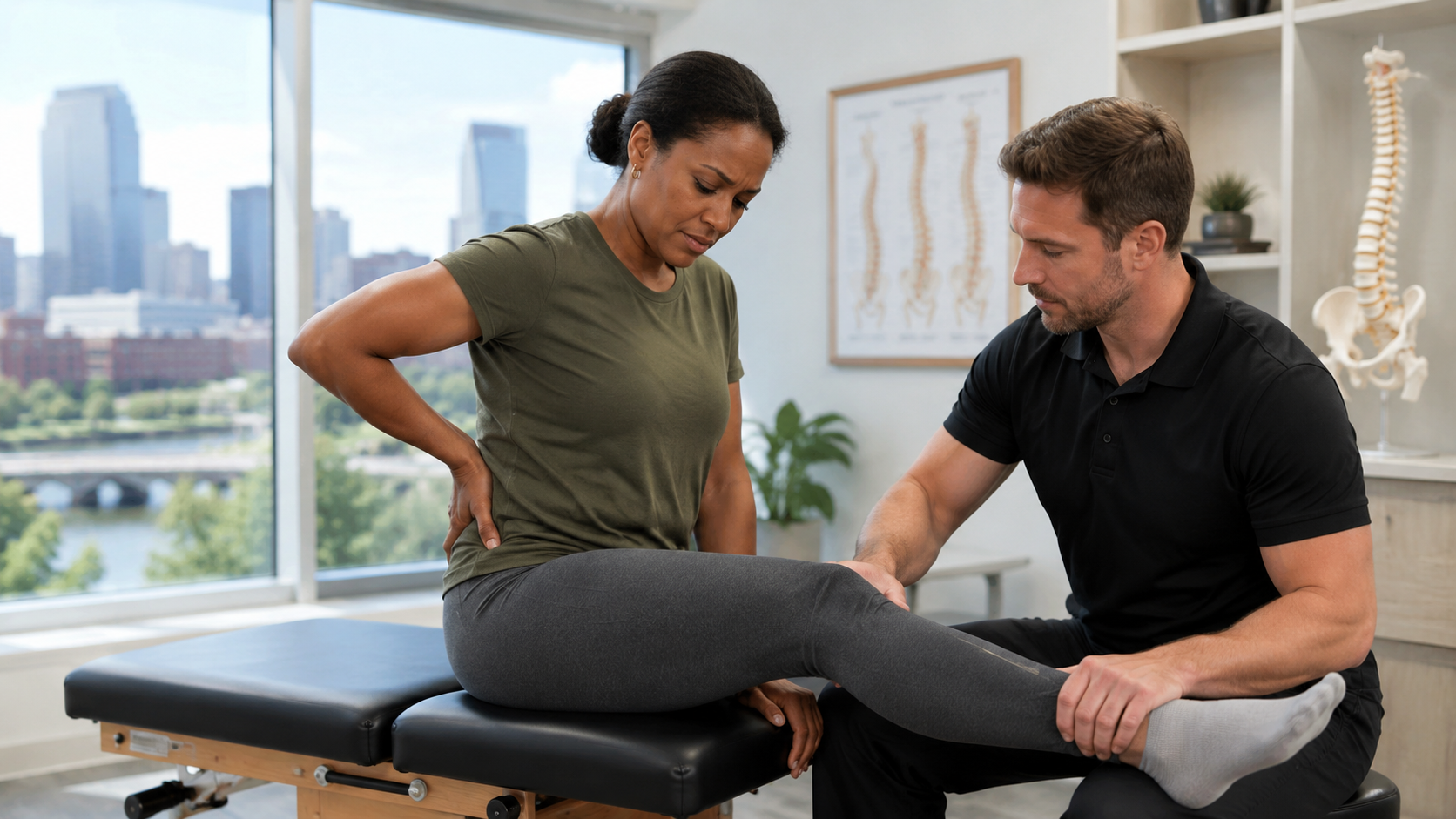
A car accident can shake up more than your vehicle. Even a crash that feels “minor” can leave your body dealing with pain, stiffness, and nerve irritation in the days that follow. One symptom that often catches people off guard is sciatica.
Sciatica can feel like a sharp, burning, or shooting pain that starts in the lower back or buttock and travels down the leg. Some people describe it as an electric shock. Others notice tingling, numbness, or weakness that makes sitting, walking, or standing uncomfortable.
If you recently had a car accident and now feel pain running from your lower back into your hip, leg, or foot, sciatica may be one possible reason. Understanding the symptoms, causes, and care options can help you decide when to get checked and what type of treatment may support your recovery.
What Is Sciatica?
Sciatica is not just ordinary back pain. It refers to pain or irritation related to the sciatic nerve, which runs from the lower back through the hips, buttocks, and down each leg.
When the nerve roots connected to the sciatic nerve become irritated or compressed, pain can travel along the path of the nerve. That is why someone may feel discomfort in the lower back, but also pain, numbness, or tingling farther down the leg.
Sciatica usually affects one side of the body. For example, you may feel pain in the left lower back and left leg, or the right hip and right leg. The intensity can vary from mild discomfort to severe pain that interferes with daily movement.
Can a Car Accident Cause Sciatica?
Yes, a car accident can contribute to sciatic-type pain, especially when the impact affects the lower back, hips, pelvis, or surrounding soft tissues.
During a collision, the body may be forced forward, backward, sideways, or twisted suddenly. That sudden movement can strain muscles, irritate joints, affect spinal alignment, or aggravate an existing disc problem. In some cases, inflammation or pressure around the lower spine may irritate the nerve roots that contribute to the sciatic nerve.
Sciatica after a crash does not always appear immediately. Some people feel pain right away. Others feel “fine” at first, then notice pain, stiffness, or leg symptoms hours or days later. This delayed discomfort can happen as inflammation, muscle tightness, and joint restriction build after the accident.
Common Symptoms of Sciatica After a Car Accident
Sciatica symptoms can look different from person to person, but common signs include:
Pain that starts in the lower back or buttock and travels down the leg.
Sharp, burning, aching, or electric shock-like pain.
Tingling or “pins and needles” in the leg or foot.
Numbness in the hip, leg, or foot.
Pain that gets worse with sitting, bending, standing, coughing, or sneezing.
Weakness or heaviness in one leg.
Difficulty walking normally because of pain or nerve irritation.
Not every case of leg pain after an accident is sciatica. Hip injuries, muscle strains, joint irritation, and other conditions can cause similar symptoms. That is why a proper evaluation is important, especially after a crash.
Why You Should Not Ignore Sciatic Pain After a Crash
After a car accident, many people try to “wait it out.” Sometimes mild soreness does improve on its own. But pain that travels down the leg should be taken seriously because it may involve nerve irritation.
Ignoring symptoms can make it harder to understand what is causing the pain. It can also allow tight muscles, limited mobility, and poor movement patterns to continue. Over time, your body may start compensating for the pain, which can create additional stress on the back, hips, knees, or feet.
Another reason to get checked is documentation. After an auto accident, it is helpful to have symptoms evaluated and recorded early. This gives your provider a clearer picture of your condition and helps guide a care plan based on your actual symptoms.
When to Seek Immediate Medical Care
Some symptoms should not wait for a routine appointment. Seek immediate medical attention if you have sudden leg weakness, loss of bowel or bladder control, numbness in the groin or saddle area, severe worsening pain, or symptoms after a major impact.
These signs may indicate a more serious condition that requires urgent medical evaluation. Chiropractic care can be helpful for many musculoskeletal injuries, but serious symptoms must be ruled out first.
How Chiropractors Evaluate Sciatica After a Car Accident
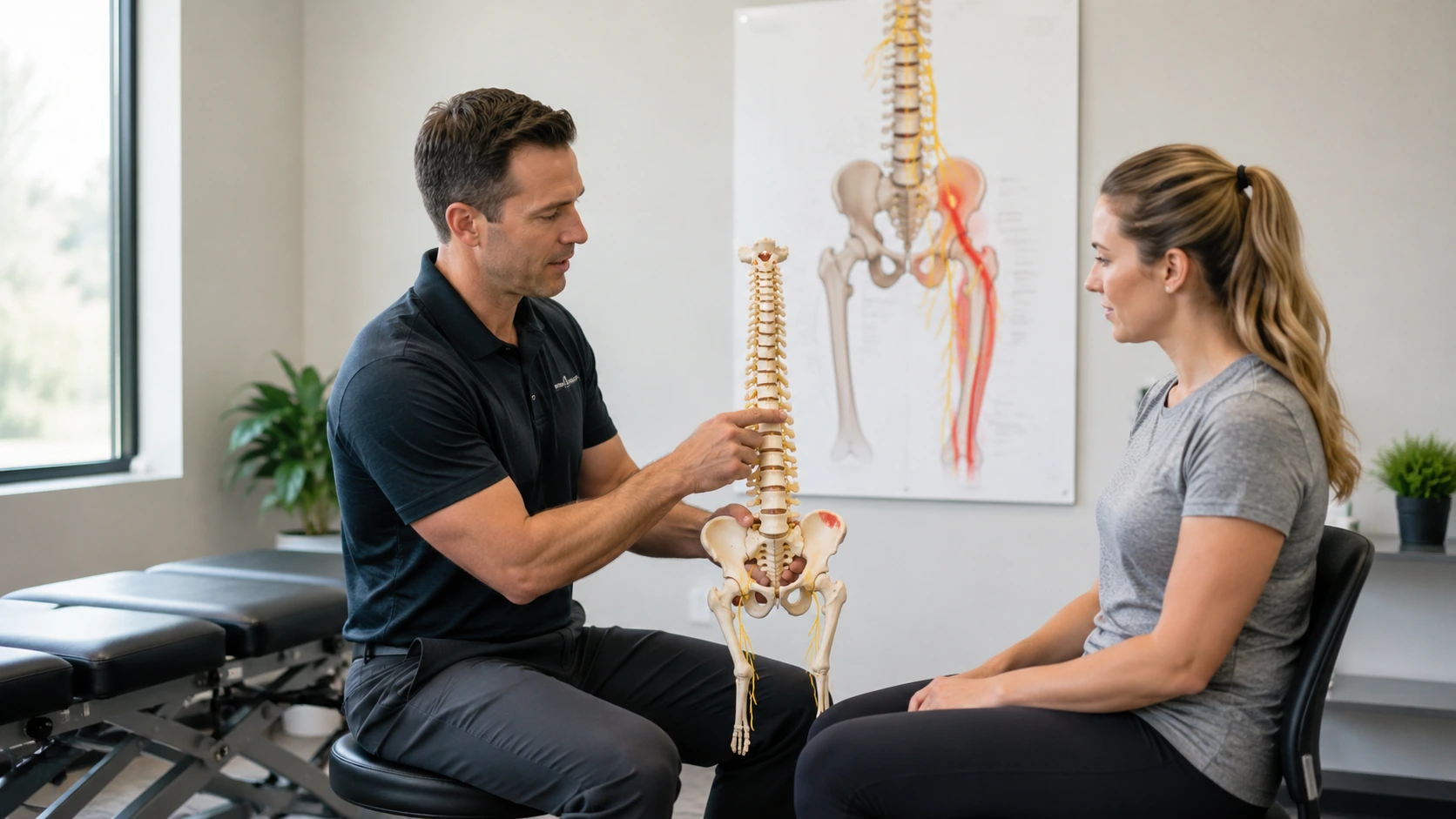
A chiropractor will typically begin by asking about the accident, your symptoms, where the pain travels, what makes it worse, and whether you have numbness, tingling, or weakness.
The evaluation may include posture checks, range-of-motion testing, orthopedic and neurological screening, and examination of the lower back, hips, pelvis, and legs. The goal is to identify where movement is restricted, where pain is coming from, and whether nerve irritation may be involved.
Depending on your symptoms and injury history, x-rays or other diagnostic steps may be recommended. The care plan should be based on your specific condition, not a one-size-fits-all approach.
Chiropractic Care Options for Sciatica After a Car Accident
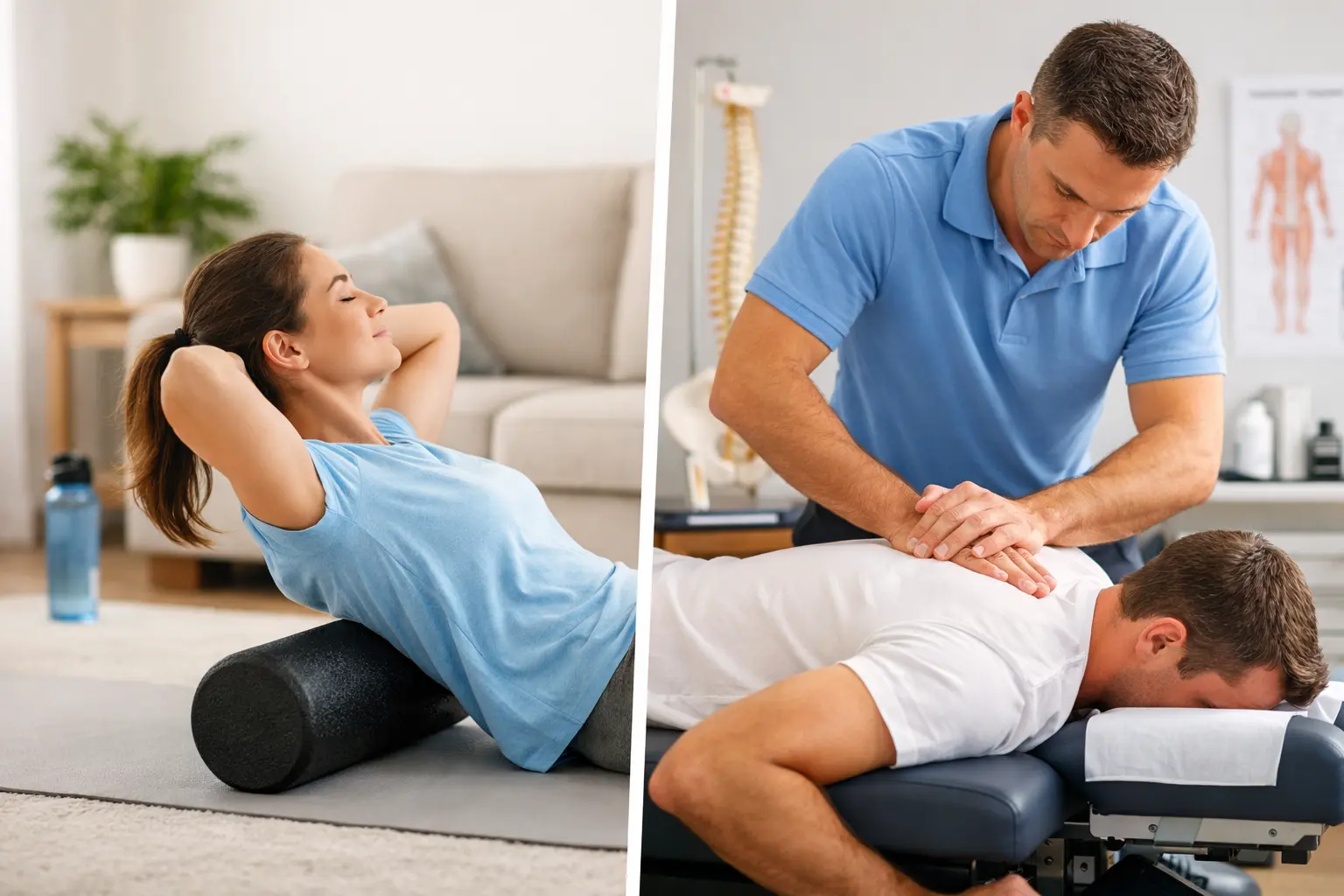
Chiropractic care focuses on improving movement, reducing joint restriction, supporting spinal function, and helping the body recover from injury. For sciatica after an auto accident, care may include several approaches.
Chiropractic Adjustments
Gentle chiropractic adjustments may help improve spinal and joint mobility. When joints are not moving properly after an accident, surrounding muscles and nerves can become irritated. Adjustments are used to restore better movement and reduce mechanical stress.
Some patients are nervous about traditional adjustments. At Town and Country Chiropractic, gentle and non-popping techniques may be available depending on the patient’s needs and comfort level.
Physiotherapy
Physiotherapy may help reduce pain, improve mobility, and support recovery after soft tissue injury. This can include therapeutic exercises, stretching, strengthening, and guided movement designed to help the body heal safely.
For sciatica, physiotherapy may focus on the lower back, hips, core muscles, and leg mobility. The goal is not just pain relief, but better function.
Massage Therapy
After a crash, muscles in the lower back, hips, and glutes can tighten as the body tries to protect injured areas. Massage therapy may help reduce muscle tension, improve circulation, and make movement more comfortable.
Massage therapy can be especially useful when tight muscles are contributing to sciatic-type symptoms or making the pain feel worse.
Traction Therapy
In some cases, traction may be used to gently reduce pressure on spinal structures. This may be considered when symptoms suggest disc-related pressure or nerve irritation. Traction is not right for every patient, so it should only be used after proper evaluation.
Home Care Guidance
A chiropractor may also recommend safe home care steps such as ice or heat, posture changes, activity modification, gentle stretches, and avoiding movements that aggravate symptoms.
The important point is that home care should match your condition. The wrong stretch or exercise can irritate symptoms further, so professional guidance matters.
How Long Does Recovery Take?
Recovery time depends on the severity of the accident, the source of the sciatic pain, your overall health, and how quickly you begin appropriate care. Some people improve within days or weeks. Others need a longer plan, especially if symptoms involve disc irritation, significant inflammation, or repeated flare-ups.
The key is consistency. Skipping care, ignoring symptoms, or returning too quickly to painful activities can slow progress.
Getting Help for Sciatica After a Car Accident in Columbus
If you are dealing with lower back pain, hip pain, leg pain, numbness, tingling, or stiffness after a car accident, it is worth getting evaluated. Sciatica can be uncomfortable, frustrating, and disruptive, but the right care plan can help identify the source of the problem and support recovery.
Town and Country Chiropractic provides chiropractic treatment for auto injuries in Columbus, Ohio, including care for back pain, neck pain, headaches, sciatica, stiffness, and whiplash-related symptoms. With chiropractic care, massage therapy, physiotherapy, x-ray diagnostics, traction beds, walk-in availability, and transportation assistance, the team works to make recovery more accessible for patients after a crash.
If your leg pain started after a car accident, do not ignore it. A professional evaluation can help you understand what is happening and what care options may be right for you.