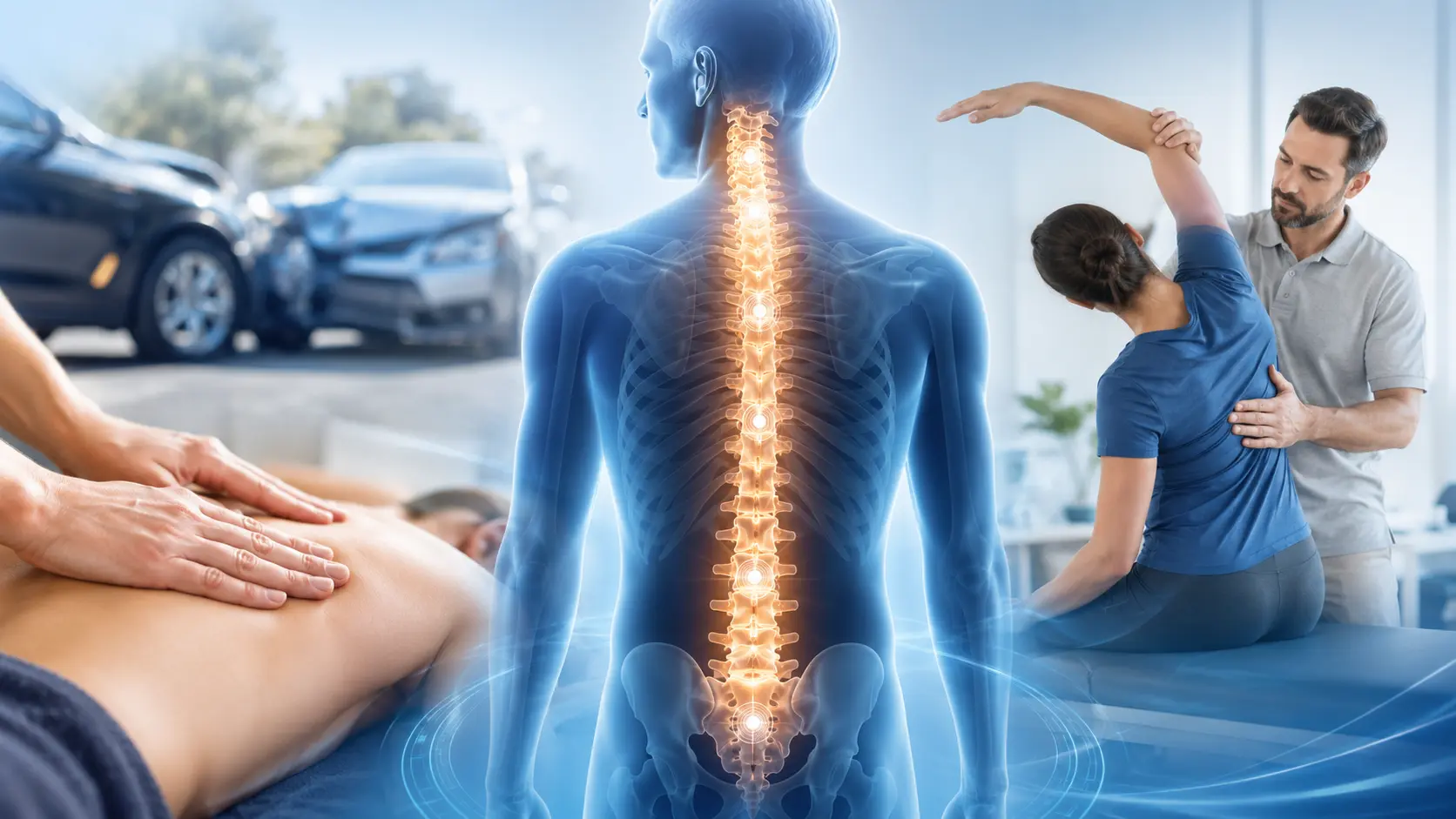
After a car crash, the physical aftermath can be just as overwhelming as the emotional toll. A stiff neck, a sore back, or even difficulty moving can make daily life feel like an uphill battle. Recovery often requires more than just rest—it demands a strategic and collaborative approach. Chiropractic care, massage therapy, and physiotherapy each play a unique role in addressing the complex injuries caused by accidents. Together, they form a powerful trio that helps individuals regain mobility, reduce pain, and rebuild strength. Let’s explore how these therapies work in harmony to support recovery.
What Happens to Your Body After a Crash?
Car crashes can wreak havoc on the body, even in low-speed collisions. The sudden impact forces your body into unnatural movements, leading to a variety of injuries. Understanding these effects is the first step toward effective recovery.
- Whiplash: This common injury occurs when the neck is jerked forward and backward rapidly, straining the muscles and ligaments. Left untreated, it can lead to chronic neck pain and stiffness.
- Muscle tension and inflammation: The body’s natural response to trauma often includes muscle tightness and swelling, which can limit mobility and cause discomfort.
- Joint misalignment: The force of a crash can knock joints out of alignment, particularly in the spine, leading to restricted movement and nerve irritation.
- Soft tissue injuries: Damage to muscles, tendons, and ligaments can result in long-term pain and reduced functionality if not properly addressed.
It’s also important to note that some symptoms, such as headaches or back pain, may not appear immediately after the accident. Delayed symptoms can complicate recovery if not promptly identified and treated.
How Does Chiropractic Care Help After a Crash?
Chiropractic care focuses on restoring alignment and mobility to the spine and joints, making it a cornerstone of post-crash recovery. Many people wonder, “Why see a chiropractor after a car accident?” The answer lies in the targeted techniques chiropractors use to address the root causes of pain and dysfunction.
- Spinal adjustments: Chiropractors use precise manipulations to realign the spine, reducing pain and improving overall function.
- Relieving nerve pressure: Misaligned vertebrae can compress nerves, causing pain and numbness. Chiropractic care helps alleviate this pressure.
- Improving range of motion: By restoring proper alignment, chiropractic adjustments can enhance flexibility and prevent long-term complications.
Chiropractic care not only addresses immediate pain but also lays the foundation for a smoother recovery process.
What Role Does Massage Therapy Play in Recovery?
Massage therapy is a powerful complement to chiropractic care, particularly for soft tissue injuries. Many ask, “Can massage therapy speed up recovery after an accident?” The answer is a resounding yes, as it targets the muscles and tissues that often bear the brunt of a crash.
- Releasing muscle tension: Massage therapy helps relax tight muscles, reducing pain and improving mobility.
- Improving circulation: Enhanced blood flow promotes healing by delivering oxygen and nutrients to injured areas.
- Reducing stress: Beyond physical benefits, massage therapy can also alleviate the emotional stress that often accompanies recovery.
By addressing muscle tension and promoting relaxation, massage therapy accelerates the healing process and enhances overall well-being.
How Does Physiotherapy Complete the Recovery Process?
Physiotherapy focuses on rebuilding strength, flexibility, and function, making it an essential part of comprehensive recovery. A common question is, “Why is physiotherapy important after a car crash?” The answer lies in its ability to restore the body’s functionality through targeted exercises and techniques.
- Rehabilitating injured muscles and joints: Physiotherapists design personalized programs to strengthen weakened areas and improve stability.
- Preventing stiffness: Guided stretches and exercises help maintain flexibility and prevent long-term immobility.
- Personalized recovery plans: Physiotherapy tailors treatment to each individual’s needs, ensuring a holistic approach to healing.
Physiotherapy bridges the gap between initial recovery and long-term health, empowering individuals to regain control of their bodies.
Why Do These Therapies Work Better Together?
Chiropractic care, massage therapy, and physiotherapy each address different aspects of recovery, but their true power lies in their synergy. Think of them as a team working toward a common goal: your complete recovery.
- Chiropractic care: Focuses on alignment and mobility, addressing the structural foundation of the body.
- Massage therapy: Targets soft tissue healing and relaxation, complementing chiropractic adjustments.
- Physiotherapy: Rebuilds strength and function, ensuring long-term recovery and resilience.
When combined, these therapies create a comprehensive treatment plan that addresses the root causes of pain, promotes healing, and restores functionality.
Conclusion
Recovering from a car crash is a journey that requires a collaborative approach. Chiropractic care, massage therapy, and physiotherapy each play a vital role in addressing the unique challenges of post-crash recovery. Together, they form a holistic plan that reduces pain, restores mobility, and rebuilds strength. If you’ve experienced a crash, consult with professionals to create a personalized recovery plan tailored to your needs. At Town and Country Chiropractic, we support healthcare providers with workflow automation and patient management solutions, ensuring seamless coordination of care for better outcomes.