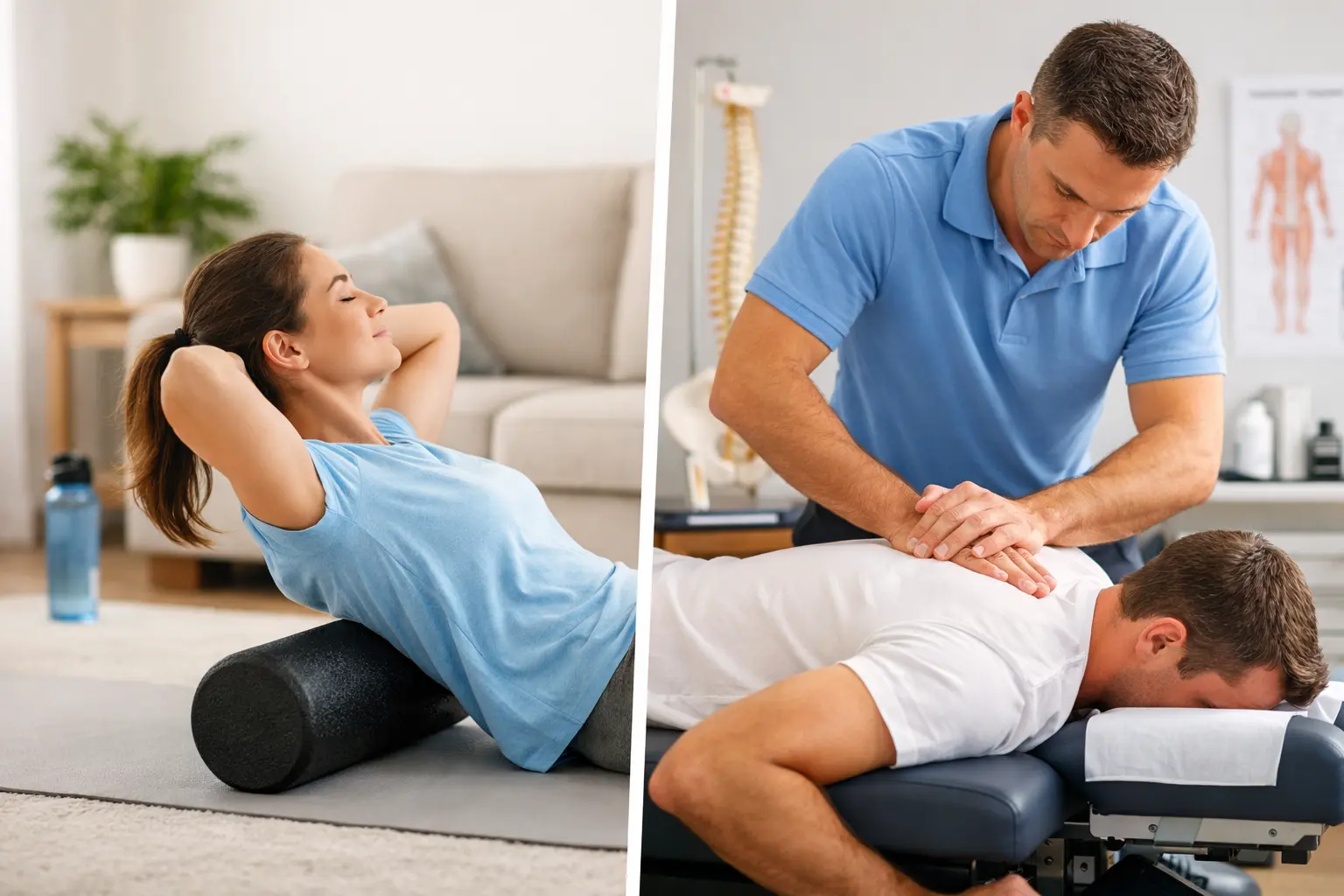
Car accidents happen fast, but the pain they cause can stay with you long after the scene is cleared. One moment, you are driving through Columbus like any other day. Next, your body has been jolted, twisted, or thrown forward by the impact.
Some injuries are obvious right away. Others are more subtle. You may feel only a little sore at first, then wake up the next morning with neck stiffness, back pain, headaches, shoulder discomfort, or pain traveling into your arms or legs. That delayed pain is one reason many people seek chiropractic care after an auto accident.
Chiropractors commonly treat musculoskeletal injuries caused by car accidents, especially injuries affecting the spine, joints, muscles, and nerves. Here are some of the most common auto accident injuries that chiropractic care may help evaluate and manage.
1. Whiplash
Whiplash is one of the most common injuries after a car accident, especially in rear-end collisions. It happens when the neck is suddenly forced backward and forward, similar to the cracking motion of a whip.
This sudden movement can strain muscles, ligaments, joints, and soft tissues in the neck. Whiplash symptoms may include neck pain, stiffness, headaches, shoulder pain, upper back discomfort, dizziness, muscle spasms, tingling, or reduced range of motion.
One tricky part about whiplash is that symptoms may not appear immediately. Some people feel pain right away, while others feel worse after several hours or even a few days.
Chiropractic care for whiplash may include gentle adjustments, soft tissue therapy, mobility work, posture guidance, and exercises to help restore normal movement.
2. Neck Pain and Stiffness
Not all neck pain after a crash is labeled as whiplash, but stiffness and restricted movement are very common. The force of impact can irritate joints in the cervical spine, tighten muscles, and affect how the neck moves.
You may notice pain when turning your head, looking down at your phone, checking your blind spot, or sleeping. Some patients also feel pain that spreads into the shoulders or upper back.
Chiropractors assess neck movement, muscle tension, posture, and joint function to identify the source of the discomfort. Care may focus on reducing stiffness, improving range of motion, and helping the neck move more comfortably.
3. Back Pain
Back pain is another common complaint after an auto accident. The lower back, middle back, and upper back can all be affected depending on the direction and force of the collision.
Back pain may come from muscle strain, joint irritation, inflammation, disc-related issues, or changes in spinal movement. Some people feel a dull ache. Others experience sharp pain, spasms, or pain that worsens with sitting, bending, lifting, or standing.
A chiropractor can evaluate the spine, hips, posture, and movement patterns to determine what may be contributing to the pain. Treatment may include chiropractic adjustments, physiotherapy, massage therapy, stretching, strengthening exercises, and home care recommendations.
4. Sciatica and Leg Pain
Sciatica can occur when nerve roots in the lower back become irritated or compressed. After a car accident, this may happen because of inflammation, disc irritation, joint restriction, muscle tightness, or trauma to the lower back and pelvis.
Sciatica symptoms often include pain that starts in the lower back or buttock and travels down one leg. Some patients also experience tingling, numbness, burning pain, or weakness.
Because leg pain can come from different causes, it is important to get evaluated. A chiropractor can perform orthopedic and neurological checks to better understand whether the symptoms may be nerve-related and what type of care may be appropriate.
5. Headaches After a Crash
Headaches are common after auto accidents, especially when the neck has been strained. Tension in the neck and upper back, joint restriction, muscle spasms, or whiplash-related irritation can all contribute to headaches.
Some headaches start at the base of the skull and move toward the forehead or temples. Others may feel like pressure, tightness, or throbbing.
A chiropractor may evaluate the neck, upper back, posture, and muscle tension to see whether the headache may be connected to the injury. Chiropractic care may include adjustments, soft tissue work, stretching, posture correction, and guidance on reducing strain during daily activities.
Severe headaches, headaches with confusion, vision changes, vomiting, fainting, weakness, or symptoms after a head impact should be evaluated urgently by a medical provider.
6. Shoulder and Upper Back Pain
During a collision, the seatbelt, steering wheel, airbag, or sudden body movement can place stress on the shoulders and upper back. This can lead to muscle strain, joint irritation, stiffness, and pain when reaching, lifting, or turning.
Shoulder and upper back pain may also be connected to neck injuries. Nerves and muscles in these areas work closely together, so pain can spread from one region to another.
Chiropractic care may focus on improving movement in the neck, upper back, shoulder area, and surrounding soft tissues. Massage therapy and physiotherapy may also help reduce tension and restore function.
7. Hip and Leg Pain
Hip and leg pain after a car accident may come from direct impact, twisting, bracing during the crash, lower back irritation, or changes in the way you walk after the injury.
Some patients feel pain deep in the hip. Others notice tightness, soreness, numbness, or pain that travels into the thigh, knee, or foot.
Because hip and leg pain can involve joints, muscles, nerves, or referred pain from the spine, a proper exam is important. Chiropractic care may help address movement restrictions and soft tissue tension that contribute to discomfort.
8. Knee Pain
The knee can be injured if it hits the dashboard, twists during the crash, or absorbs force while the body braces for impact. Knee pain may also develop later if back, hip, or leg pain changes your walking pattern.
Symptoms may include swelling, stiffness, pain when bending, discomfort going up or down stairs, or a feeling that the knee is not moving normally.
A chiropractor can help assess whether the knee pain may be related to joint movement, soft tissue strain, or compensation from another injury. If the injury appears more serious, referral for additional medical evaluation may be needed.
9. Muscle Strains and Soft Tissue Injuries
Soft tissue injuries affect muscles, ligaments, and tendons. These injuries are very common after car accidents because the body can be stretched or compressed suddenly during impact.
Soft tissue injuries may cause soreness, swelling, bruising, tenderness, stiffness, and reduced movement. They can also make everyday tasks uncomfortable, such as driving, sleeping, working at a desk, or lifting objects.
Chiropractic care, massage therapy, physiotherapy, stretching, and guided exercises may help support soft tissue recovery.
Why Chiropractic Evaluation Matters After an Auto Accident
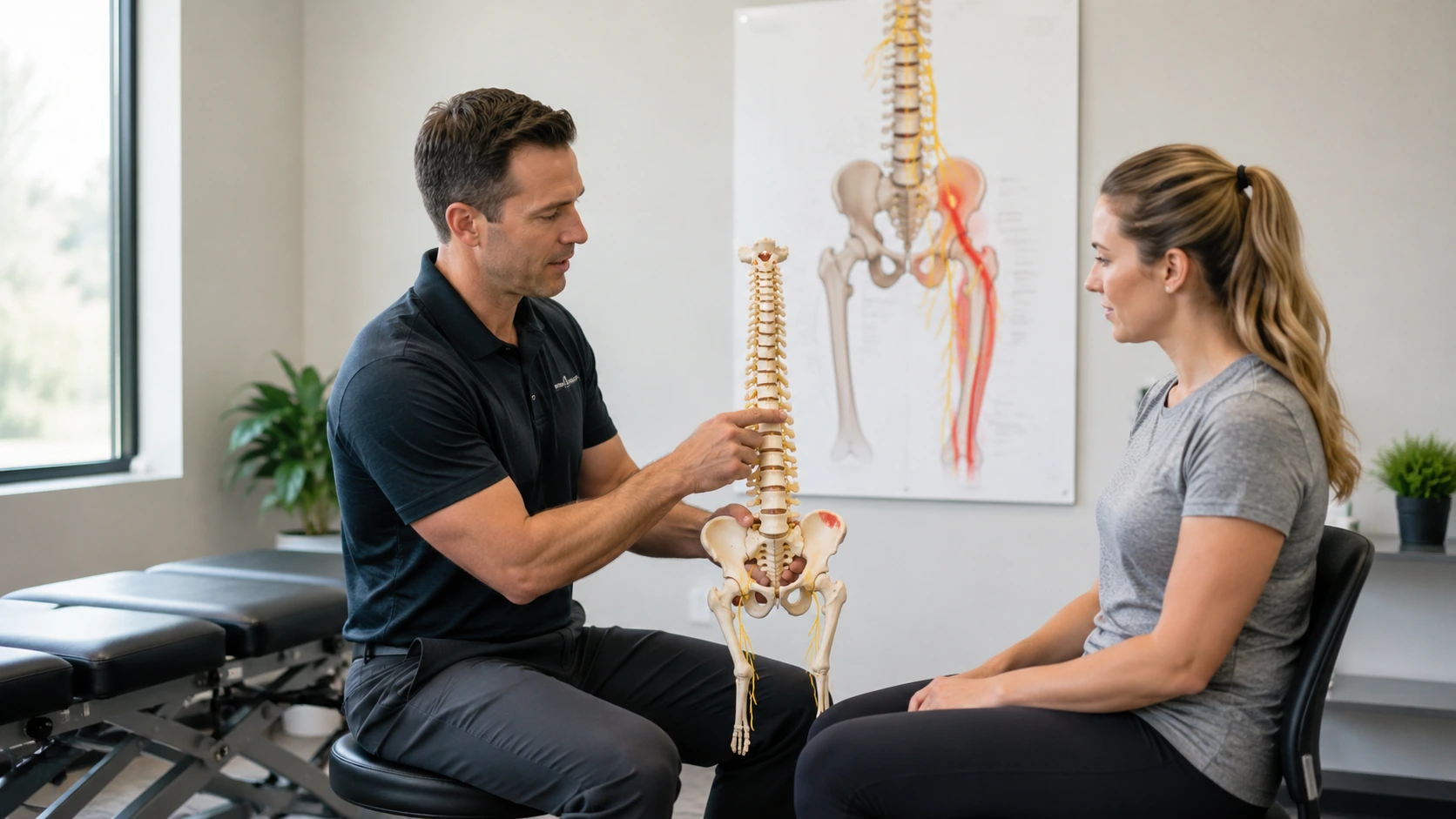
After a car accident, pain does not always tell the full story right away. Adrenaline, inflammation, and delayed stiffness can make symptoms harder to judge in the first few hours.
A chiropractic evaluation can help identify movement restrictions, soft tissue injuries, posture changes, spinal irritation, and nerve-related symptoms. The goal is to understand what is causing the pain and create a care plan that supports healing.
Early evaluation can also help prevent small issues from turning into long-lasting problems. When your body starts compensating for pain, it may create additional stress in nearby joints and muscles.
What Care May Include
At a chiropractic clinic, auto injury care may include chiropractic adjustments, gentle non-popping techniques, massage therapy, physiotherapy, traction therapy, x-rays when needed, stretching, strengthening, posture guidance, and home care instructions.
The right plan depends on the injury. A patient with whiplash may need a different approach than someone with sciatica, knee pain, or lower back stiffness. Good care should be personalized, not copied and pasted from patient to patient.
When to Seek Emergency Care
Chiropractic care can be helpful for many auto-related musculoskeletal injuries, but some symptoms require urgent medical attention.
Seek emergency care if you have severe head injury symptoms, chest pain, trouble breathing, sudden weakness, loss of bowel or bladder control, severe numbness, confusion, fainting, worsening neurological symptoms, or intense pain after a major crash.
Once serious injuries are ruled out, chiropractic care may be part of your recovery plan.
Auto Accident Chiropractic Care in Columbus, Ohio
If you have been in a car accident and are dealing with neck pain, back pain, headaches, sciatica, stiffness, hip pain, leg pain, knee pain, or whiplash symptoms, getting evaluated can help you understand what is going on.
Town and Country Chiropractic provides chiropractic treatment for auto injuries in Columbus, Ohio. The clinic offers chiropractic care, massage therapy, physiotherapy, x-ray diagnostics, traction beds, walk-in availability, and transportation assistance to help patients access care after a crash.
Pain after an accident should not be ignored, especially when it affects your movement, sleep, work, or daily routine. A professional evaluation can help you take the next step toward recovery.